








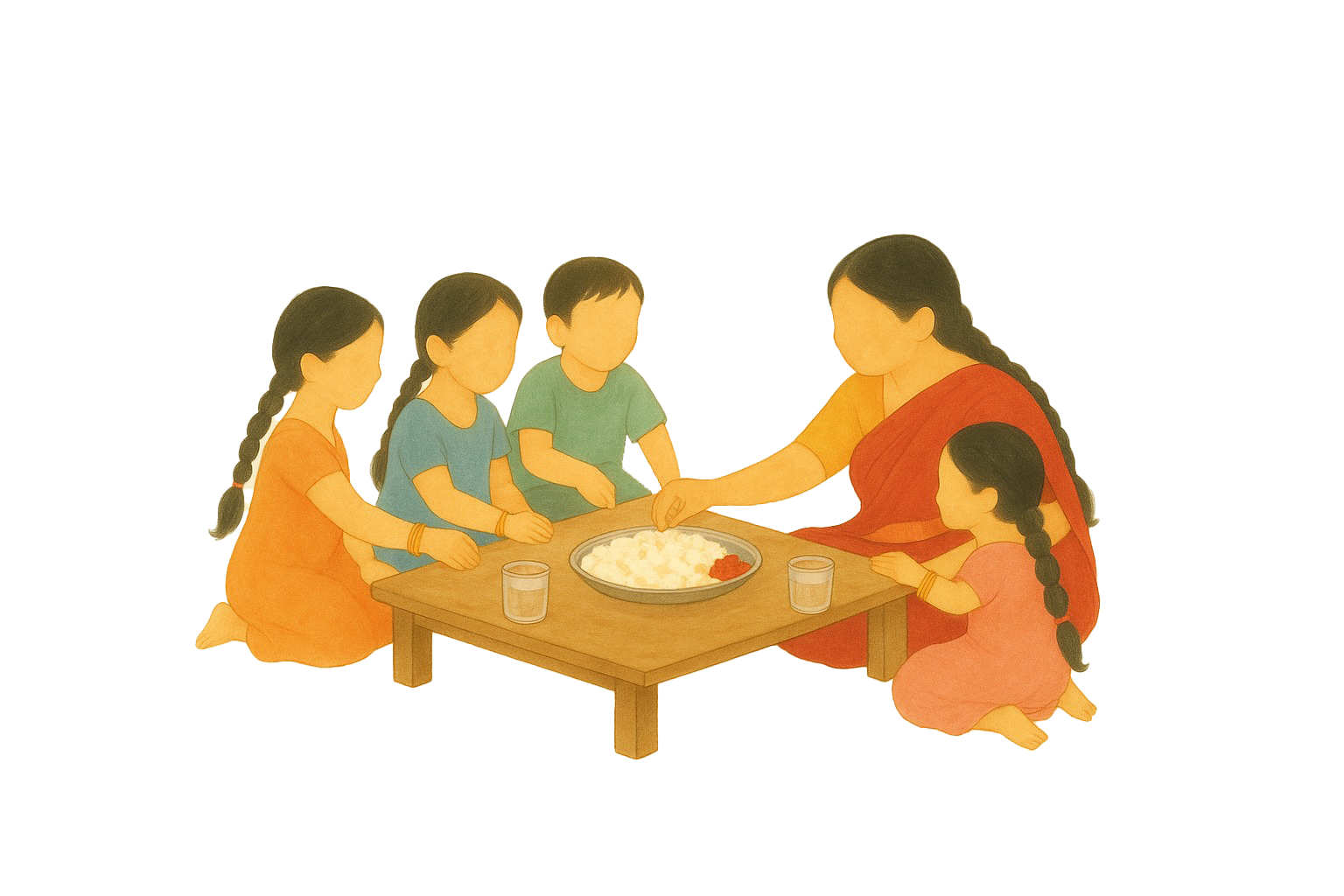
“It’s mine” Shruti exclaimed, trying to push Karthikeya’s hand away.
“I had a smaller one last time, akka! This one is mine,” Karthikeya retorted.
Since they were kids, it has always been the same scene with my grandchildren,whenever it comes to enjoying curd rice with nimmakaya pachadi. My grandchildren, Gargi, Shruti, Maitreyi and Karthikeya are here for summer vacation and the house is lively with their chatter and playful fights for a slice of juicy nimmakaya to enjoy with curd.
“Ammamma, look at him!” Shruti cried out as Karthikeya hurriedly put the slice into his mouth.
“Don’t worry, I will get more,” I said heading to the kitchen.
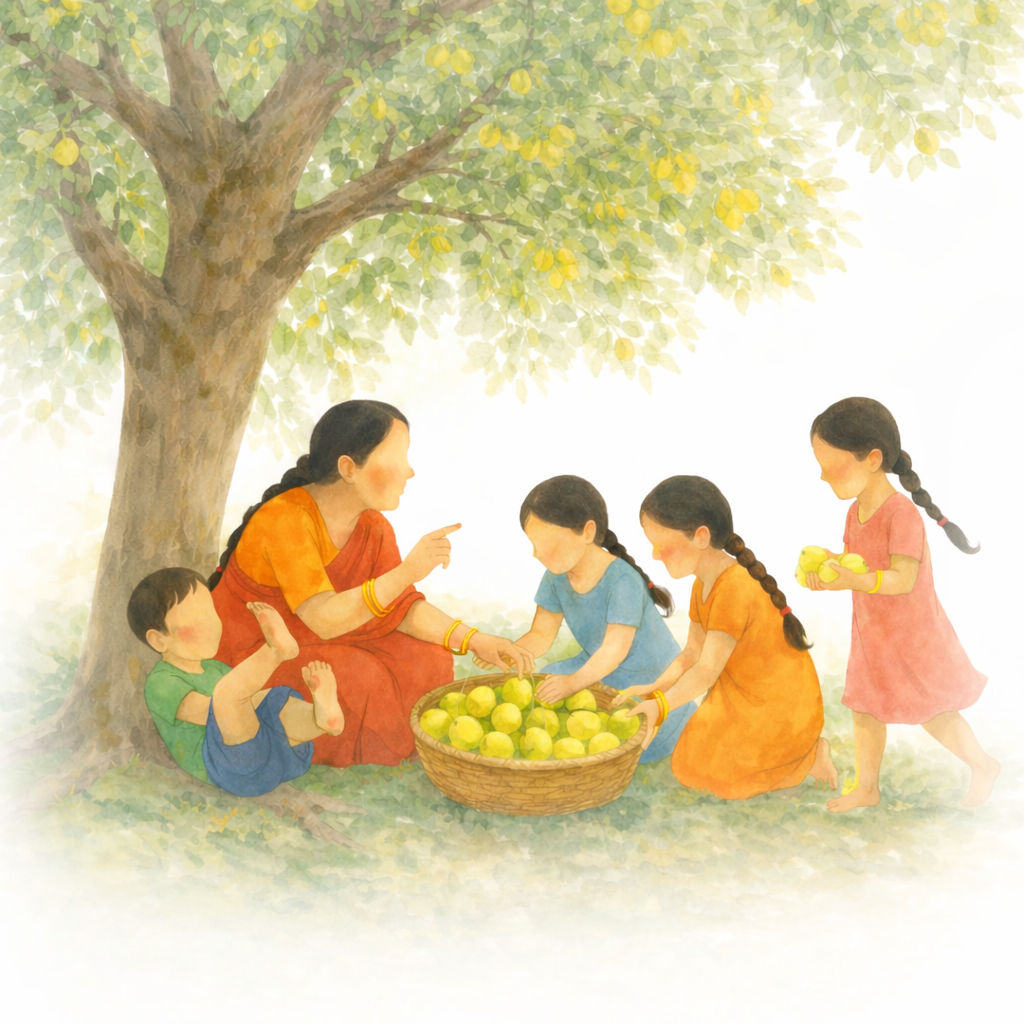
As I opened the jar, the tangy aroma of the lemon took me back to my summer afternoons spent under the neem tree laughing with friends over our simple lunch.
Curd rice with nimmakaya pachadi is always my favourite during hot afternoons. My grandmother made the most delicious nimmakaya pachadi. And my cousin Nagavalli’s mother makes the best dabbakaya pachadi for summer lunch
The Tangy cousins: Nimmakaya and Dabbakaya
Many people don’t know about dabbakaya pachadi—my husband, Gangadharam, was one of them too. Early in our marriage, when I first served him dabbakaya pachadi, he couldn’t stop asking for it at every meal. He thought it was a special kind of lemon from my village! When I explained that it is dabbakaya, a citrus fruit similar to lemon, he laughed at his own innocence.
Both nimmakaya (lemon) and dabbakaya (Indian grapefruit) belong to the citrus family. Nimmakaya is a staple in Indian households, loved for its tangy, sour and sharp flavours. Dabbakaya is an exotic treasure. It is tangy, mildly sweet, slightly bitter and has a delicate balance of flavours. Unlike nimmakaya, which is always available, dabbakaya comes around only in winter, making it a seasonal delight. In Telugu states, it’s often reserved for special occasions, for the way it elevates the meals.
Maitreyi walked in and leaned against the kitchen counter, as I stood lost in thoughts.
“Ammamma?”, she called out, bringing me to the moment again. “I am full. But, I want to have a tangy slice”, she asked.
“Sure”I said, scooping another slice from the jar.
“No, I want to have a slice of Dabbakaya,” she said, pointing at the shelf.
A few ways to enjoy Nimmakaya and dabbakaya pachadi
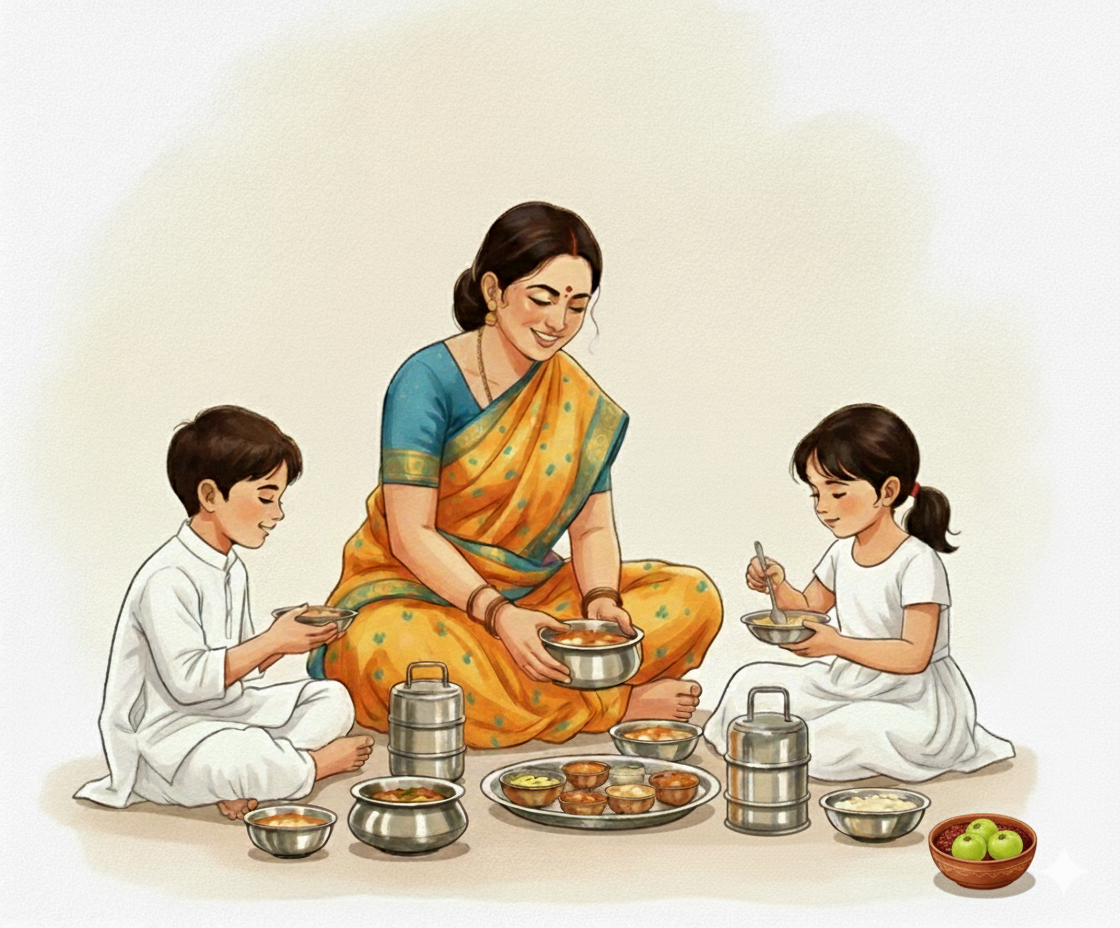
As I picked up the dabbakaya, I remembered the fun times with Balli, my mischievous friend. He would often sneak into our lunch box to steal the slices of dabbakaya, starting a playful fight. As kids we used to enjoy dabbakaya pachadi and nimmakaya pachadi with plain rice, ghee, or curd. The creamy curd and ghee helps in balancing the sharp, tangy flavours of these pickles. But now, looking at my grandchildren, I see so many new ways to enjoy these dishes.
“Ammamma, Serve me first!!”Shruti said, extending her plate as I arrived with jars of both Nimmakaya and dabbakaya.
“Curd rice and Nimmakaya are a classic combination!!” She said enjoying the first bite.
“It’s good. But, you should try Nimmakaya with chaddiannam (fermented rice)! It’s light, heavenly!!”, Gargi added.
“It’s your mother’s favourite too, Gargi!!”, I replied with a smile.
“You are all wrong!!Nimmakaya pachadi tastes super delicious with paratha!!”, Karthikeya interrupted with his favourite choice. “Take a spoon full of nimmakaya pachadi, spread it slightly over the paratha and enjoy it with little bites of Nimmakaya slices in between”, he described with a watery mouth.
“How do you like it, Ammamma?”, Gargi asked.
“I love Nimmakaya pachadi with slightly warm rice and a large spoon of ghee”, I said, settling next to her.
“Maitreyi? You?”, asked Gargi.
“I like dabbakaya more than Nimmakaya akka”, she said enjoying the flavours of dabbakaya in her mouth.
“Ahh!!, Dabbakaya” Shruti said excitedly. “I love curd rice with dabbakaya. It’s tangy, sweet, sour and wow!”
“It’s super delicious with khichidi or plain dal rice and ghee too”, Gargi added
“I like it with chapati," replied Maitreyi.
“Yes, dabbakaya with slight sweetness goes well with chapathi. While Nimmayaka goes well with any stuffed paratha for its strong flavours”, added Gargi.
“Ammamma, how do you like to enjoy dabbakaya?”, asked Gargi.
“When we were kids, our grandmother on special occasions used to mix hot rice with dabbakaya pickle and pulihora seasoning. It’s something we all kids used to wait for. I love dabbakaya with rice and that pulihora seasoning”, I replied smiling as I recollected those old days.
Though my grandchildren named a few ways to enjoy these tangy pickles, these could be enjoyed interchangeably. Apart from above, these can also be enjoyed with Theplas, Bisi bele bath and mudda pappu too.
Health benefits of Nimmakaya and dabbakaya pickles
Not only the flavours and tastes, these two pickles nimmakaya and dabbakaya are also known for their health benefits.
Health benefits of Nimmakaya and dabbakaya pachadi
Nimmakaya Pachadi
- Boosts Immunity: With vitamin C, lemon pickle strengthens your immune system by helping you fight body infections. It’s antioxidants protect your cells from damage.
- Aids Digestion: The natural enzymes in lemon pickle improve digestion and maintain gut health by reducing problems like bloating and indigestion.
- Supports Bone Health: It contains calcium, potassium, and magnesium and promotes strong and healthy bones.
- Improves Blood Circulation: Rich in iron, Nimmakaya Pachadi helps produce red blood cells and also ensures proper oxygen supply throughout the body .
Dabbakaya Pachadi
- Rich Source of Vitamin C: With vitamin C, dabbakaya supports tissue repair and enhances immunity
- Soothes the Stomach: Known for its cooling properties, this pickle is refreshing during hot weather, promoting digestive comfort.
- Full of Antioxidants: Its antioxidants help protect the body from oxidative stress, lowering the risk of chronic conditions like heart disease and cancer.
- Promotes Healthy Digestion: The fiber and natural enzymes in Dabbakaya Pachadi support digestion and help prevent constipation.
Conclusion
My grandchildren completed the meal, sharing bites, teasing each other, and enjoying the pickles. These moments are a reminder that food has a way to bring people together, whether around a dining table or under a neem tree in a village. Nimmakaya and dabbakaya pachadi are simple recipes, but they hold generations of love, tradition and flavours. These always hold a special place in our hearts and our homes.
 Home
Home
 About Us
 Stories
 Return Policy
 Privacy Policy
 Cookie Policy
 Pickles
 Powders
 Papads
 Pre-Mixes
 Combos
 Masalas
 My Account
 My Orders
 My Favourites
 Sign Out

